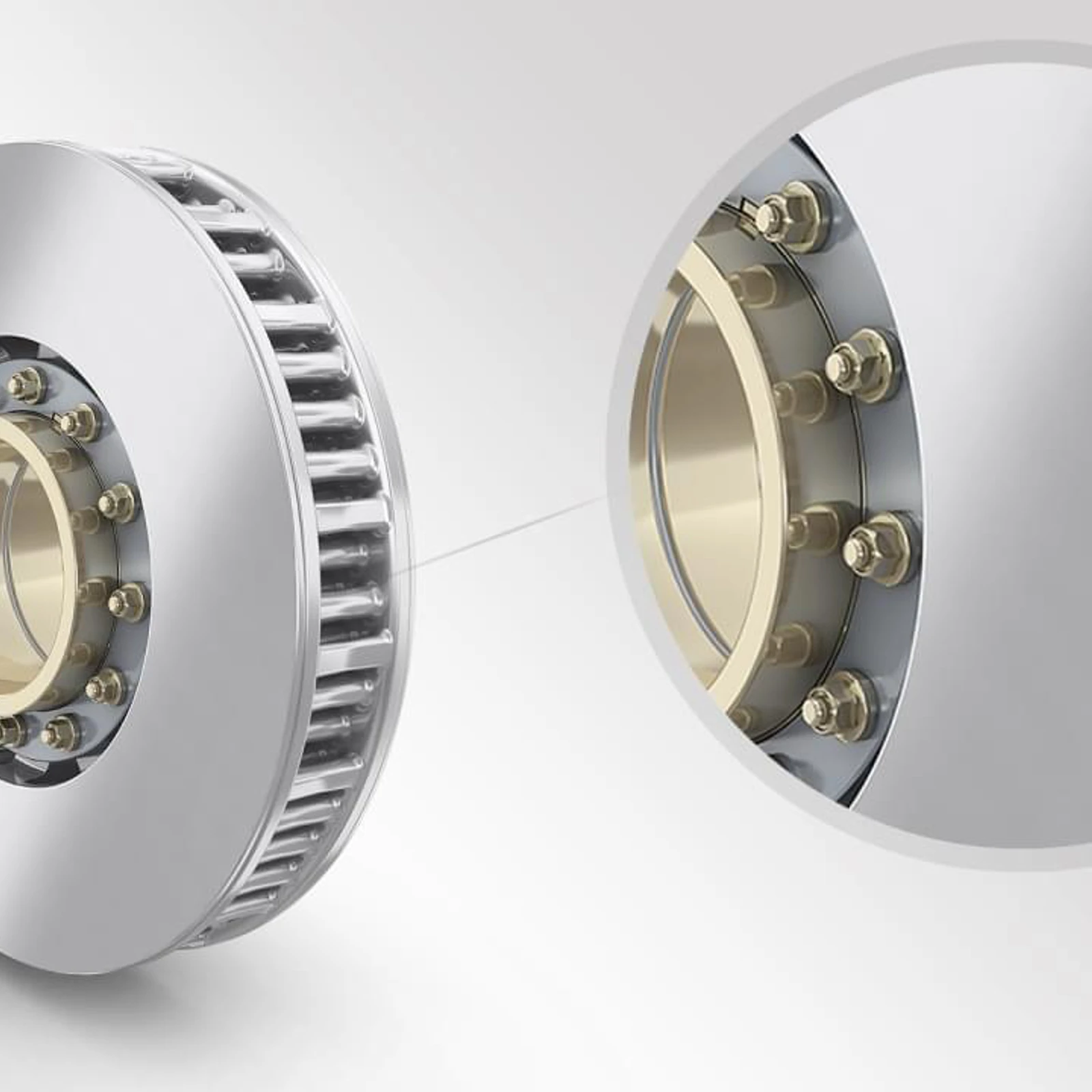
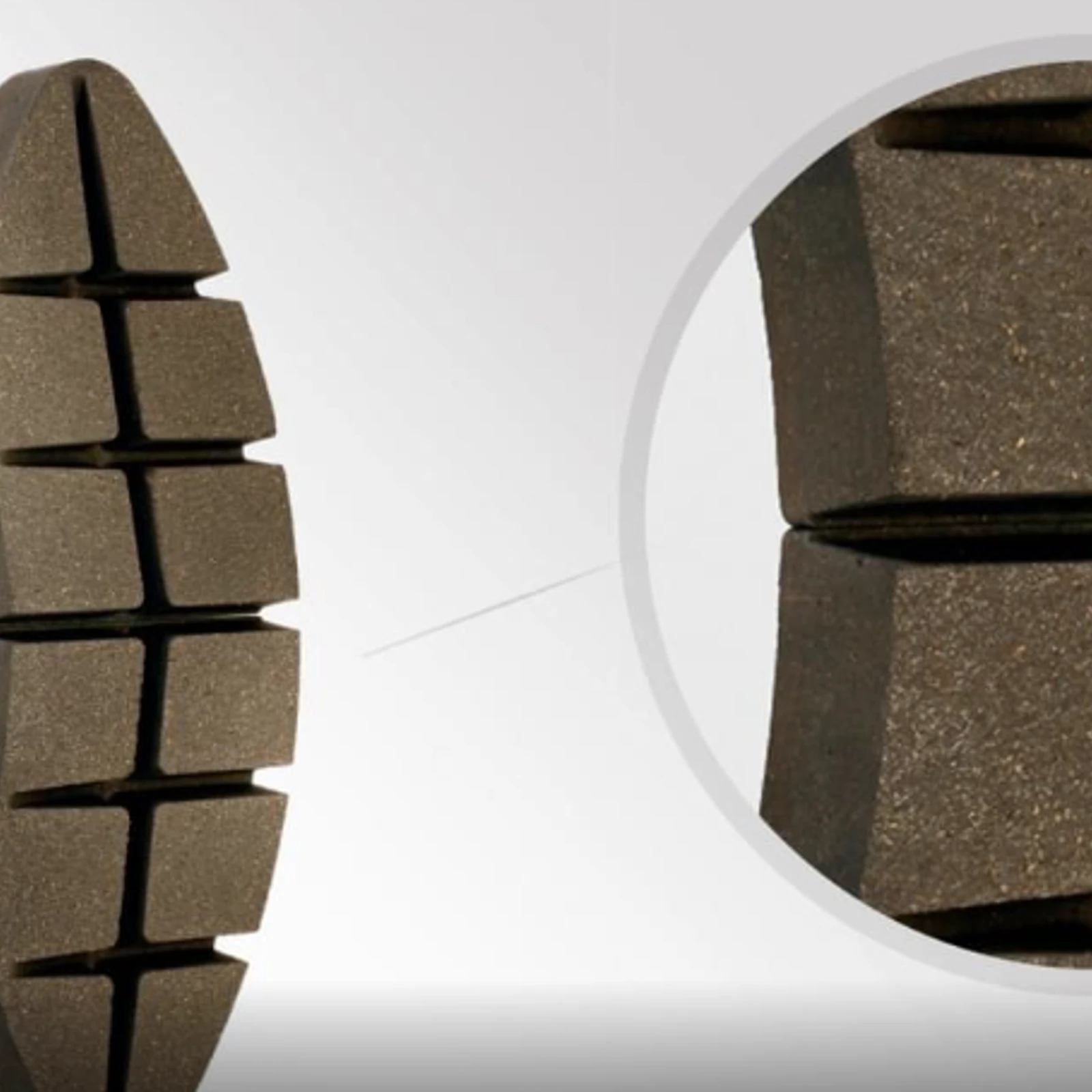
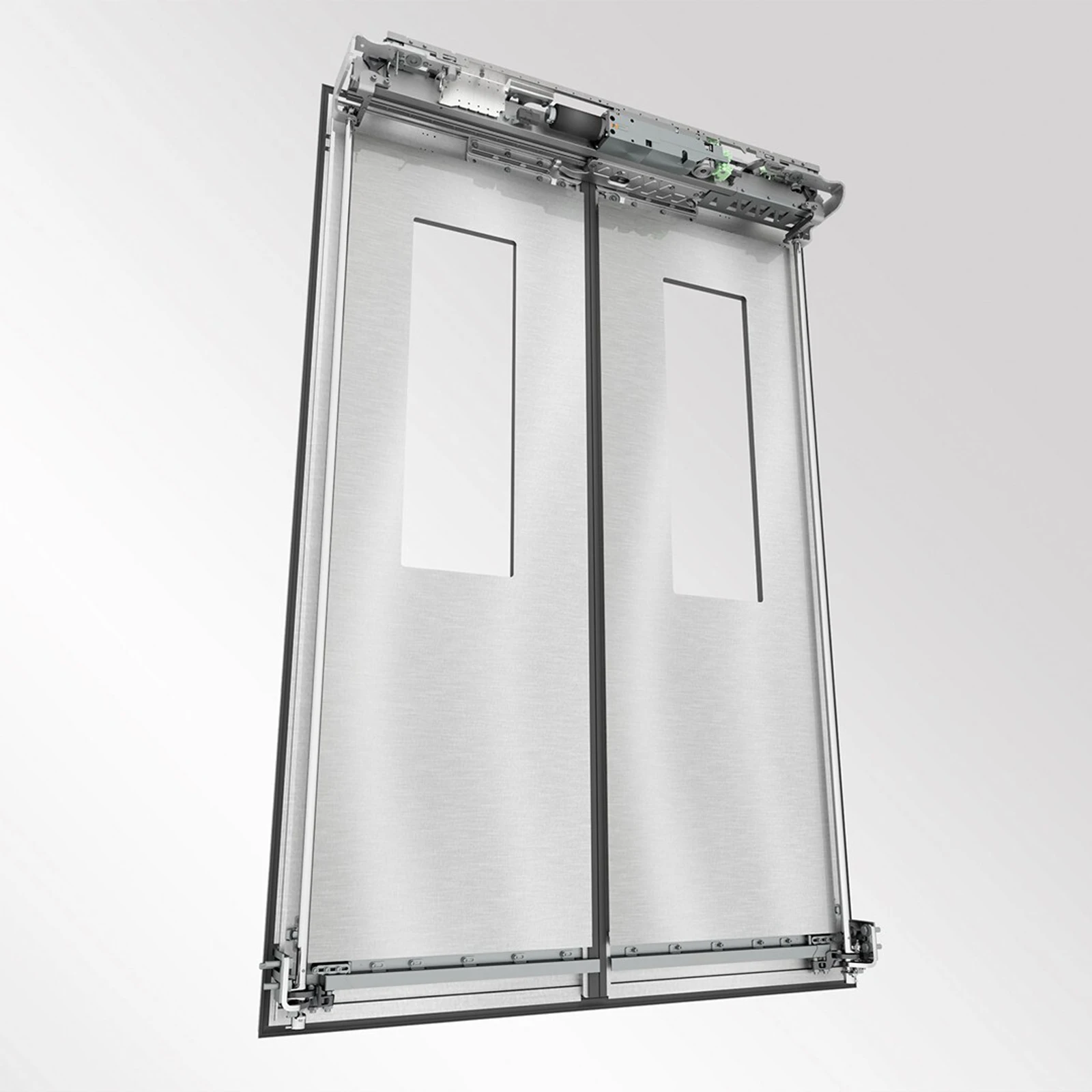
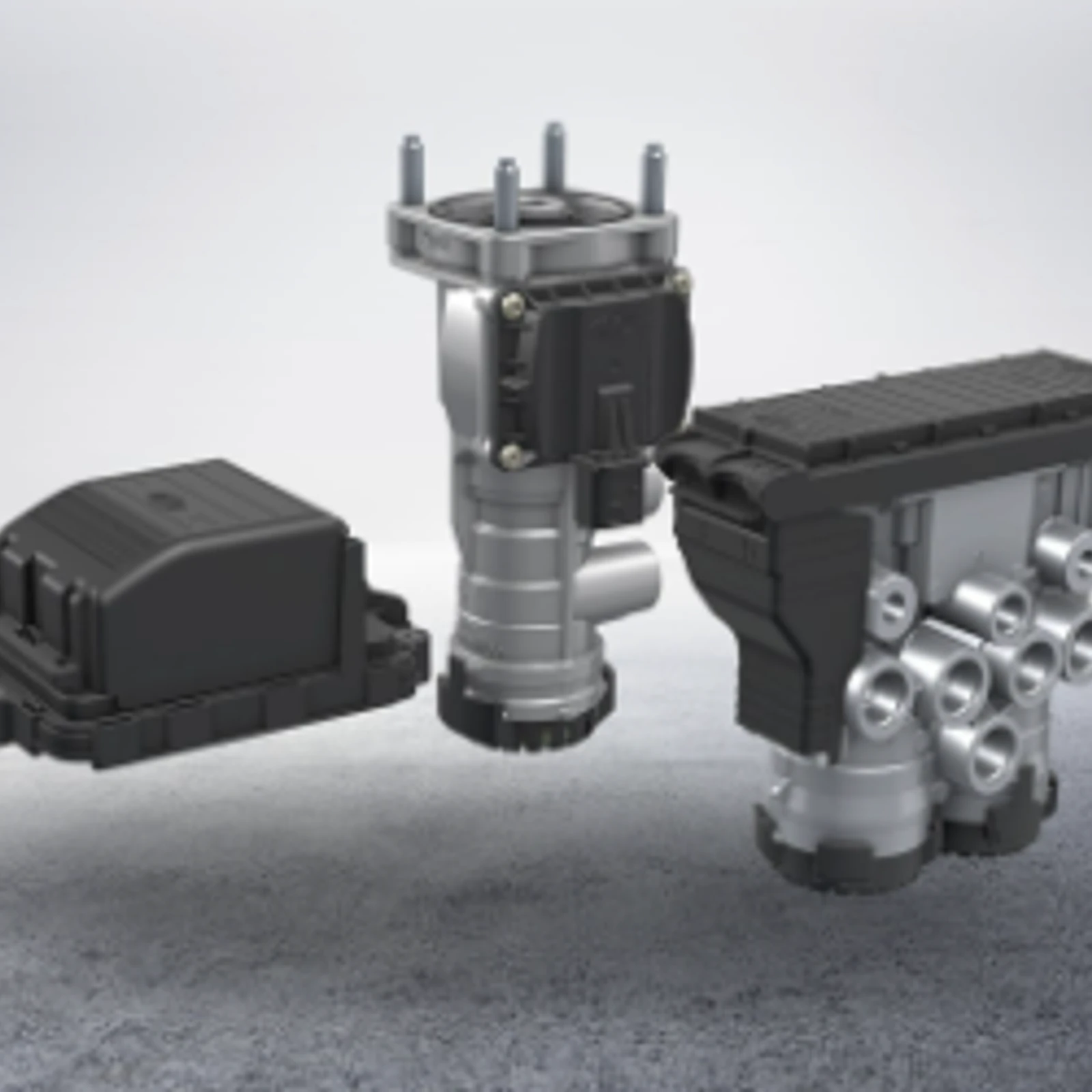
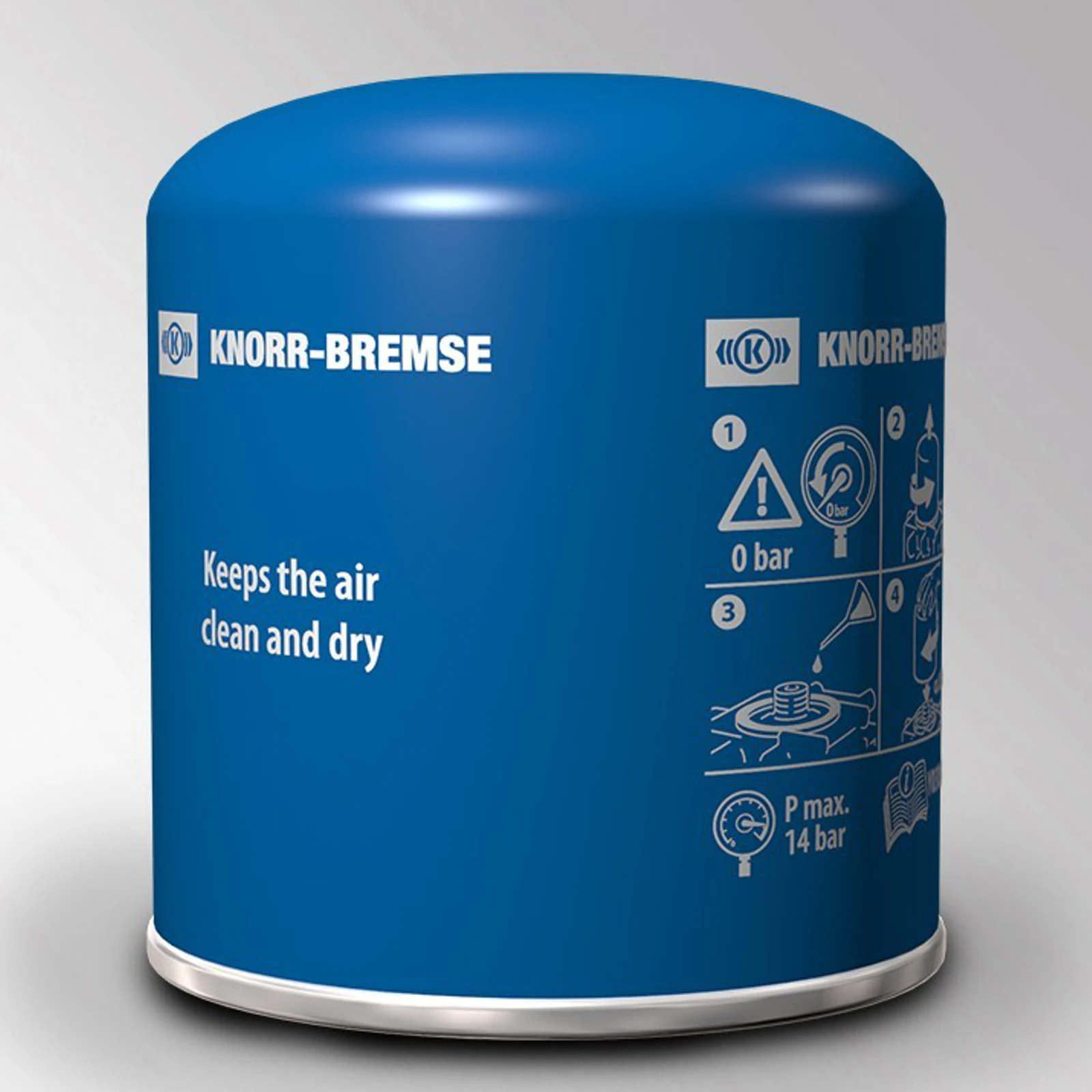
Describe how your company is able to recover at least one critical raw material from a complex electronic or industrial material mixture. In particular, describe which critical raw materials are addressed (e.g., metals, rare earths, functional materials) and which technological approaches are used to recover them (e.g., physical, chemical, sensor-based, data-driven). You should demonstrate how a raw material quality suitable for industrial reuse is achieved (e.g., purity, form, specification). In addition, you should describe which industrial components can be taken into account in the recycling process with regard to the Knorr-Bremse products described above. Describe the latter as precisely as possible.
Not a mandatory criterion: If your solution is likely to be compatible with the Knorr-Bremse products described in a future expansion stage, outline the specific potential for further development in existing approaches.
In addition, the following should be presented:
- which interfaces to upstream and downstream industrial processes are necessary,
- and how a proof of concept (PoC) would be set up in concrete terms (e.g., use case, pilot plant, demonstrator, cooperation partners, scaling perspective).
* EU-Definition: It will focus on the following 14 critical raw materials, namely aluminium, beryllium, cobalt, copper, gallium, germanium, graphite, lithium, manganese, nickel, platinum, rare earth elements (REEs), titanium, and tungsten. These raw materials are designated critical by the Critical Raw Materials Act, as they are of high importance for the EU economy and face great supply chains risks, due to the fact that extraction and initial processing is done in a small number of third countries.